While ISO 13485:2016 does not contain a formal Context of the Organization (COTO) clause like Annex SL-based standards such as ISO 9001:2015, context-related issues still need to be addressed in practice.
In ISO 13485 (the standard for Medical Device Management Systems), Context of the Organization (COTO) shapes how medical device processes, responsibilities, and controls align with product safety, customer requirements, patient/end-user safety, and applicable regulatory obligations throughout the device lifecycle.
Although it shares similarities with Annex SL-based ISO management system standards such as ISO 9001, ISO 13485 does not structure its requirements in the same way.
It's therefore important that organizations understand the unique conditions, regulatory environments, stakeholder expectations, and operational realities that influence how their quality management system functions and how medical devices are controlled.
How Context of the Organization Can Differ Across ISO 13485 Auditing, Implementation, and Consulting Roles
While the idea of "context" may seem straightforward, its application in medical device and component manufacturing becomes significantly more complex due to the interactions among regulatory obligations, patient safety expectations, outsourced processes, risk management activities, and product lifecycle controls.
Internal auditors, lead auditors, implementers, and consultants often encounter the concept differently depending on whether they are evaluating compliance, designing systems, coordinating audit consistency, or interpreting regulatory expectations.
The sections below explore these perspectives in greater detail, highlighting how the same concept presents different challenges depending on its application within medical device quality management systems.
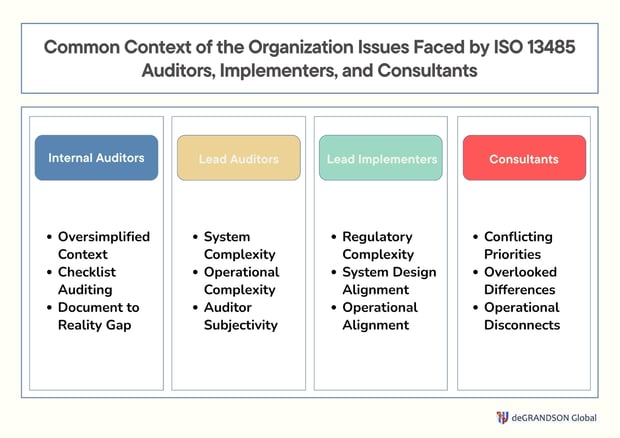
Context of the Organization from an ISO 13485 Internal Auditor Perspective
For internal auditors working in medical device management systems, the Context of the Organization does not always appear as a single document. Instead, it is usually spread across procedures, regulatory references, supplier controls, risk management activities, and product realization processes.
One of the main challenges is determining whether the documented quality system accurately reflects how the organization operates in practice and the regulatory risks it actually faces. In many cases, organizations have extensive procedures and technical controls in place, but it is not always clear how closely those controls match day-to-day operational realities.
Regulatory requirements may be referenced throughout the system, but may still not be fully incorporated into routine decision-making, supplier oversight, complaint handling, or post-market activities.
The same can happen with product risks. Risks may be properly identified in technical documentation, while operational pressures, resource limitations, or reliance on outsourced processes are not fully reflected elsewhere in the quality system. This can lead to a medical device quality system looking compliant on paper while still not fully matching how things work in practice.
To address this, internal auditors need to learn to go beyond checklists and spot when documentation meets the requirements but doesn't fully reflect real-life considerations.
Context of the Organization from an ISO 13485 Lead Auditor Perspective
For lead auditors, context becomes a question of consistency in interpretation across products, departments, suppliers, manufacturing sites, and regulatory jurisdictions.
Even when a medical device organization clearly defines its operating environment, different auditors can still interpret the same contextual information differently when planning and conducting audits. This becomes more obvious in organizations with multiple device types, international markets, outsourced manufacturing, or different regulatory routes.
One audit team may focus heavily on supplier controls and traceability risks, while another may emphasize complaint handling, sterile process validation, or regulatory submission alignment. Without a consistent interpretation of organizational context, audit depth and emphasis can vary significantly across the same quality management system.
This makes the lead auditor's role not just about checking compliance. It also involves ensuring that factors such as regulatory exposure, product risk level, patient safety impact, and operational complexity are understood and applied consistently when setting audit scope, following audit trails, and evaluating findings.

Context of the Organization from an ISO 13485 Lead Implementer Perspective
For lead implementers, context is a key starting point for building, connecting, and maintaining the ISO 13485 quality system. The challenge isn't just writing procedures but ensuring the system accurately reflects how the organization operates, including its medical device activities, regulatory obligations, and product risks.
Medical device environments are usually complex, with design controls, supplier management, production, validation, post-market feedback, and regulatory requirements all interacting across different regions and systems. If this real-world context isn't properly built into the system, the QMS can end up looking compliant on paper but not fully aligned with actual risks and operations.
In these cases, procedures can exist, but sit a bit separately from how work is really done. For example, supplier controls might not fully reflect the criticality of outsourced processes, risk management might not effectively inform production decisions, or post-market feedback might not strongly influence corrective actions and improvements.
Because of this, the lead implementer needs to ensure that context is built into how processes connect, how controls are set up, how risks are prioritized, and how regulatory requirements are integrated across the system.
Context of the Organization from an ISO 13485 Consultant Perspective
For Medical Device Management Consultants, context in ISO 13485 environments often becomes a point of intersection among competing operational, technical, quality, and regulatory perspectives. Different functions within the organization may believe they share a common understanding of the medical device environment, yet operate under very different assumptions about priorities, risks, and compliance expectations.
For example:
- Leadership may view context primarily in terms of business expansion, market access, and regulatory approval timelines.
- Engineering teams may focus on design functionality and technical feasibility.
- Quality teams may be more focused on maintaining documentation integrity and keeping compliance activities consistent, while
- Operations teams are often more concerned with maintaining production flow, avoiding supplier disruptions, and keeping manufacturing activities stable.
Even though these priorities are closely connected, they do not always align smoothly in day-to-day operations.
In many organizations, these differences are not openly discussed, making them easy to overlook until they begin affecting how the quality management system operates.
As a result, the organization may believe it is operating under a single unified QMS, while in reality, different parts of the business are working from slightly different interpretations of how the system is supposed to function.
One of the main challenges in consulting work is bringing these differences to light and helping the organization develop a more consistent understanding of its operating environment.
This does not necessarily mean getting every department to think in the same way, but reducing conflicting interpretations that can weaken the consistency, traceability, and regulatory reliability of the quality management system.
COTO from the Perspective of Professionals Transitioning from ISO 13485:2003 to ISO 13485:2016
For professionals moving from ISO 13485:2003 to ISO 13485:2016, context often represents a noticeable shift in how the management system is understood and applied.
Under the earlier version, the focus was more on maintaining controlled processes and meeting regulatory and product quality requirements in a more structured but less explicitly risk-driven way.
Under ISO 13485:2016, the system places much stronger emphasis on regulatory alignment, patient safety, risk management, and the maintenance of consistent, well-controlled processes across the organization. This changes how context is viewed within the system.
Instead of focusing mainly on whether processes support quality objectives and customer requirements, organizations also need to consider how regulatory obligations, product risks, supplier dependencies, traceability, and post-market activities influence how the system is structured and operates.
For many professionals, the challenge is not just learning new or updated requirements, but adjusting to a more risk-focused and lifecycle-oriented approach to quality management.
What may have previously felt more procedure-driven can now require a deeper link between risk, regulation, and day-to-day operational control.
As a result, context becomes more than background information. It plays a more active role in how compliance is interpreted, how controls are designed, and how product safety and regulatory responsibilities are managed across the full medical device lifecycle.
Addressing Differences in Dealing with COTO Based on ISO 13485 Roles
Many of the challenges surrounding the organizational context in ISO 13485 are not caused by a lack of documentation alone, but by difficulties in interpretation, communication, and practical application across different parts of the organization.
Addressing these gaps often requires a combination of structured learning, cross-functional understanding, practical exposure, and direct experience working within regulated medical device environments.
Over time, many professionals build these skills through a mix of formal training, participation in audits and implementation projects, mentorship from experienced practitioners, involvement in supplier and quality activities, and day-to-day exposure to how medical device organizations operate.
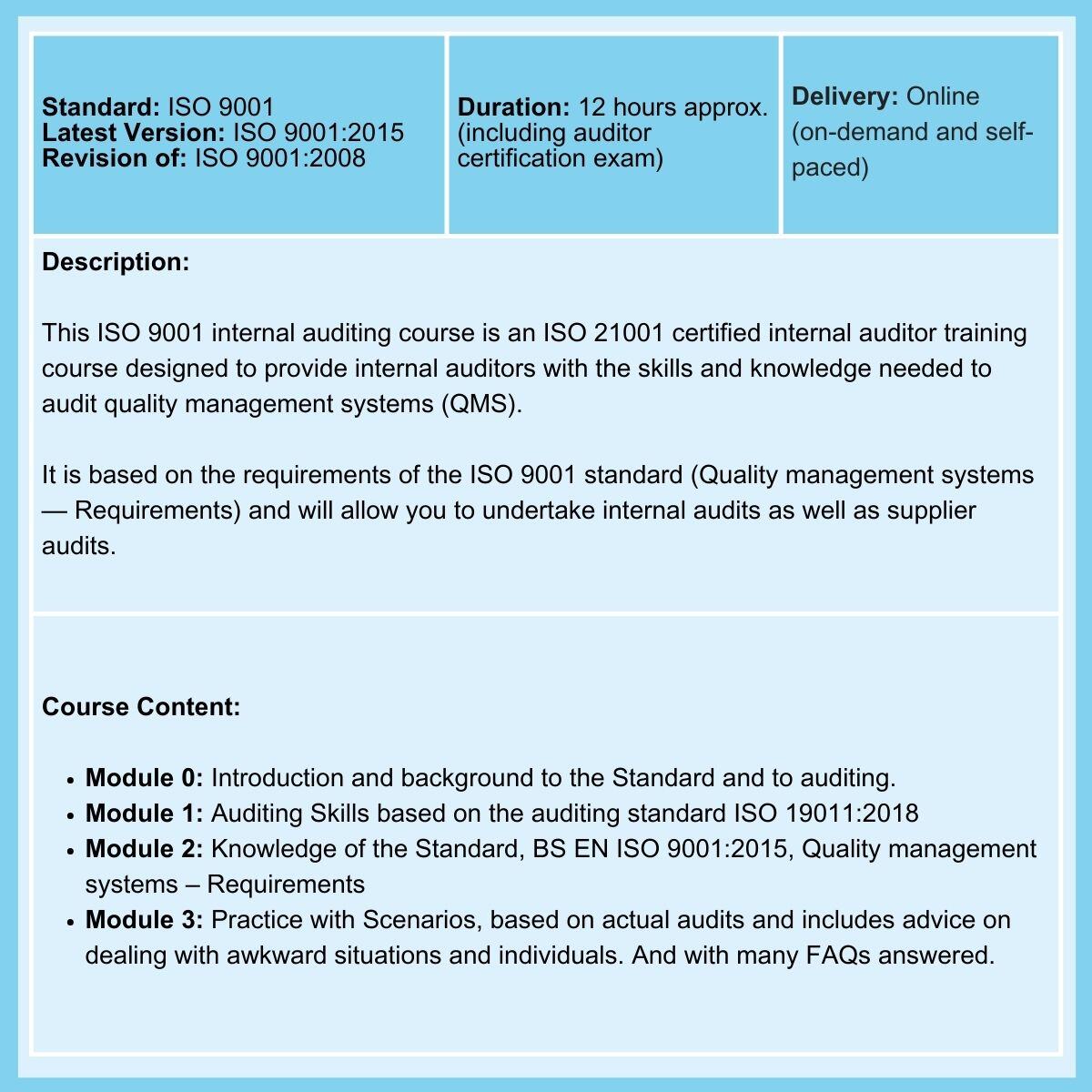
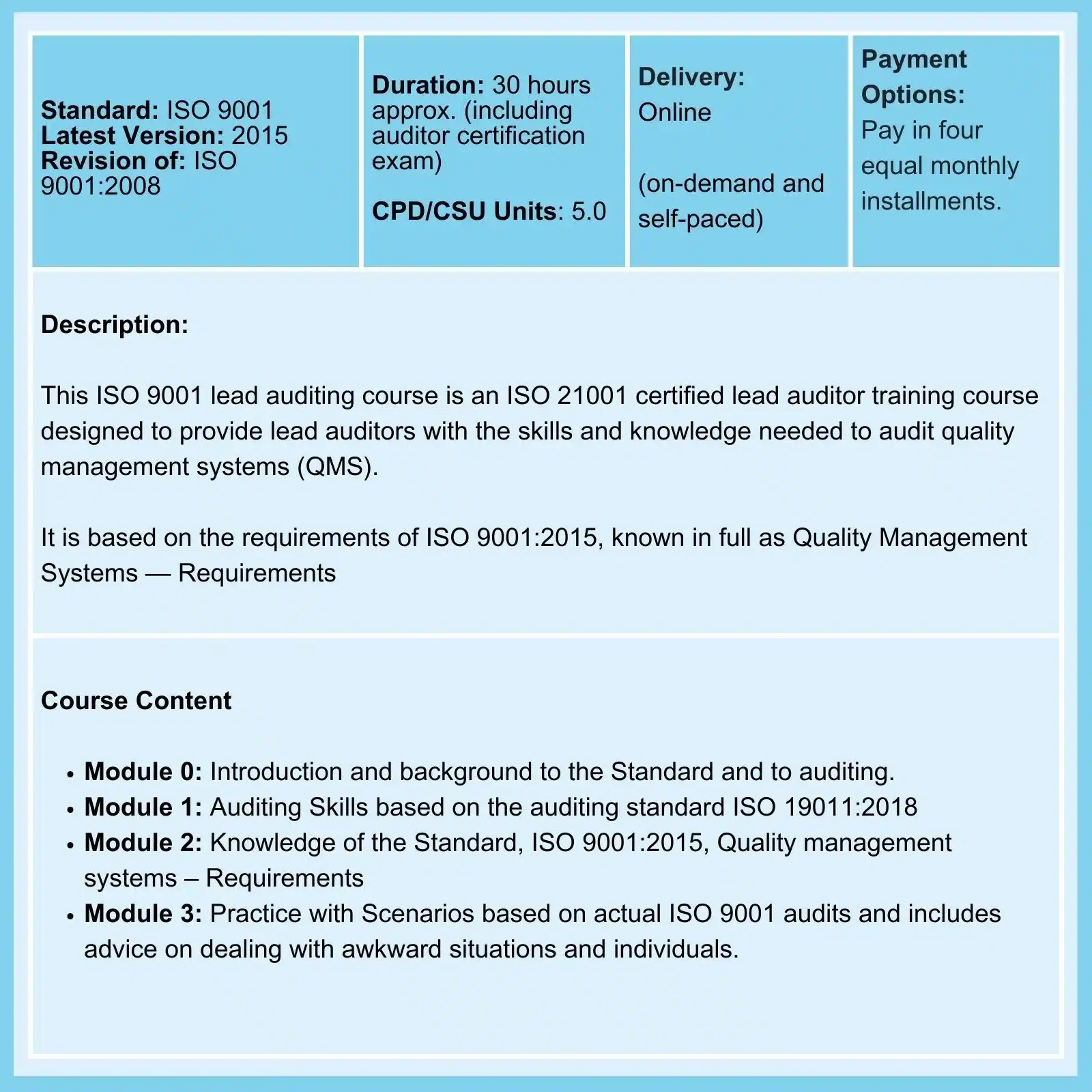
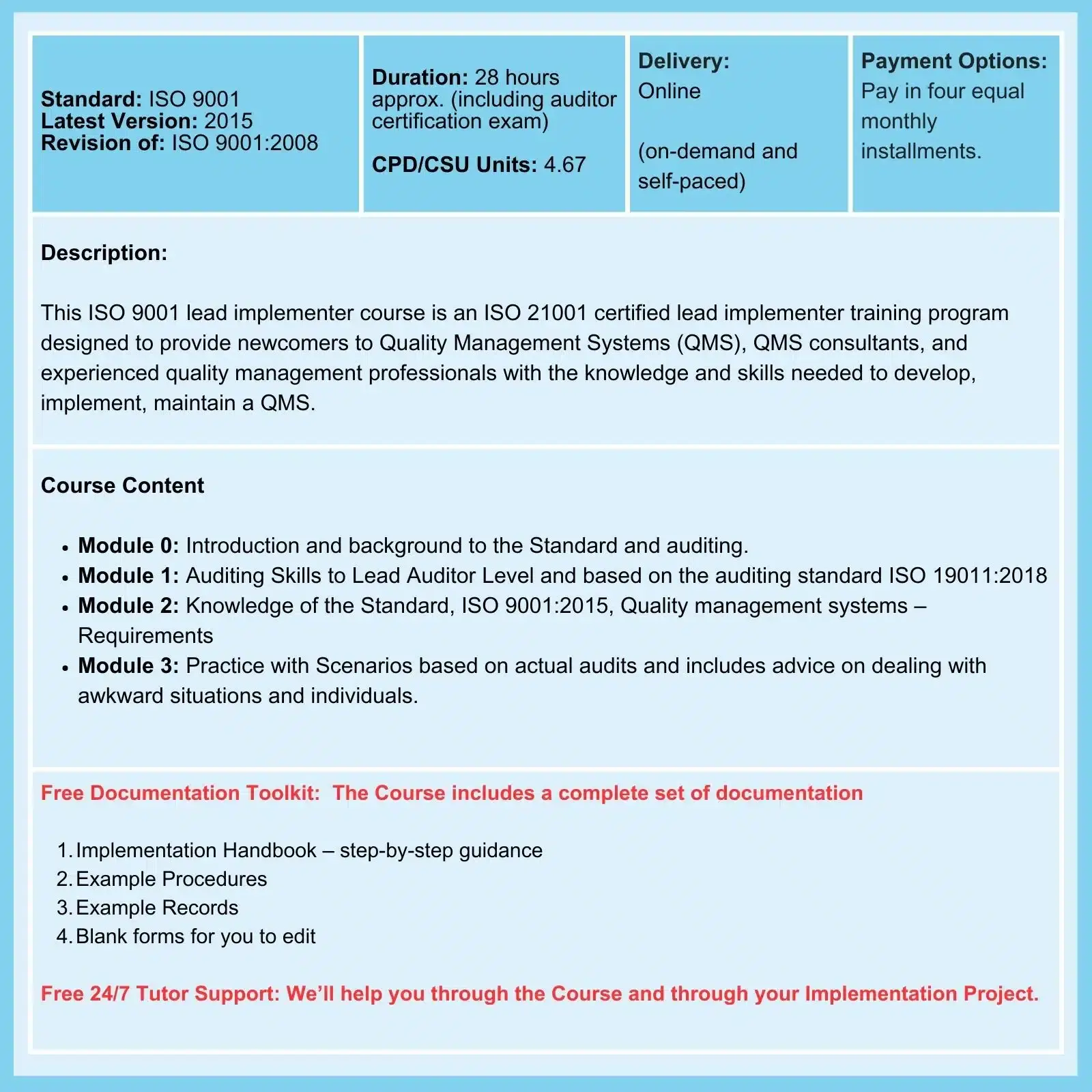
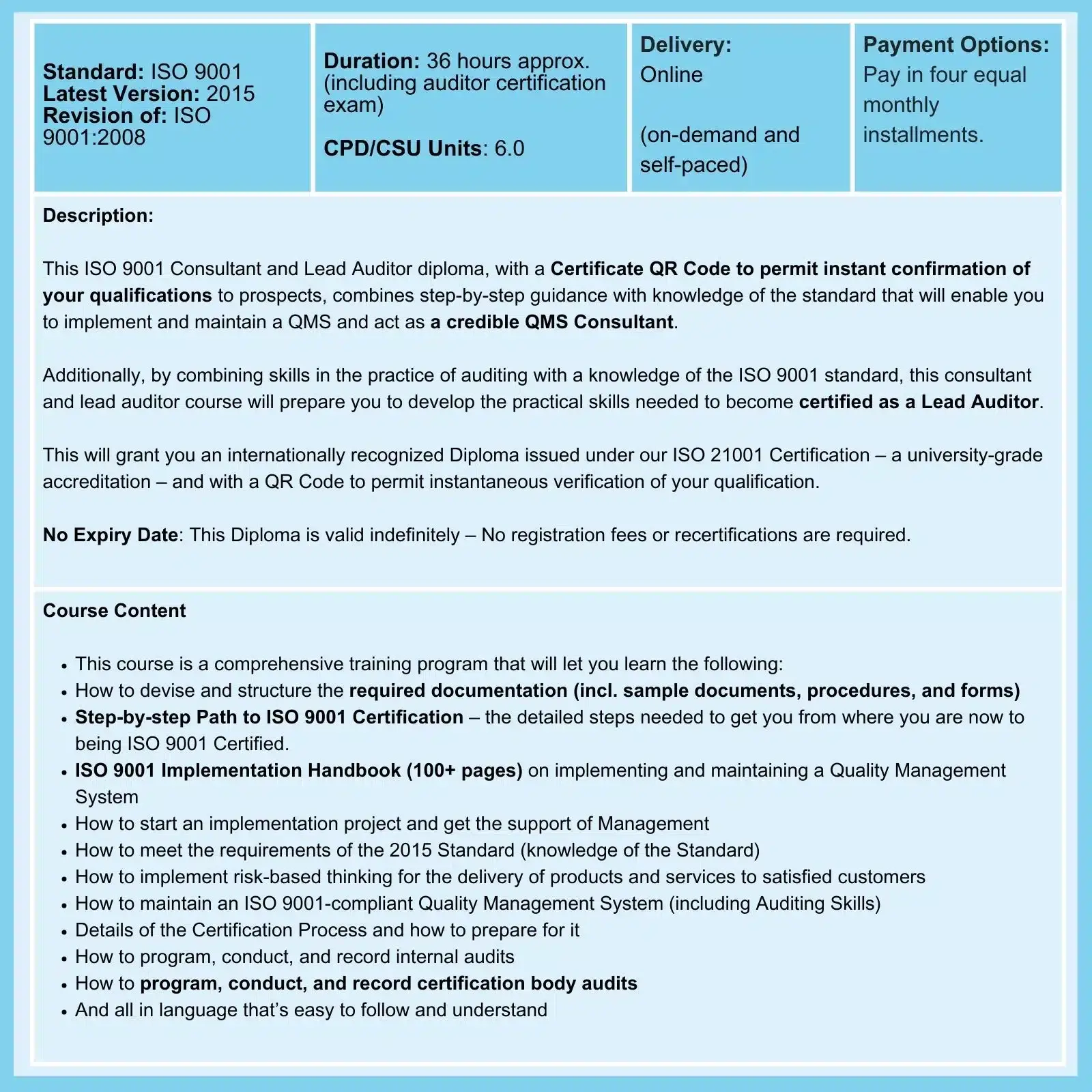
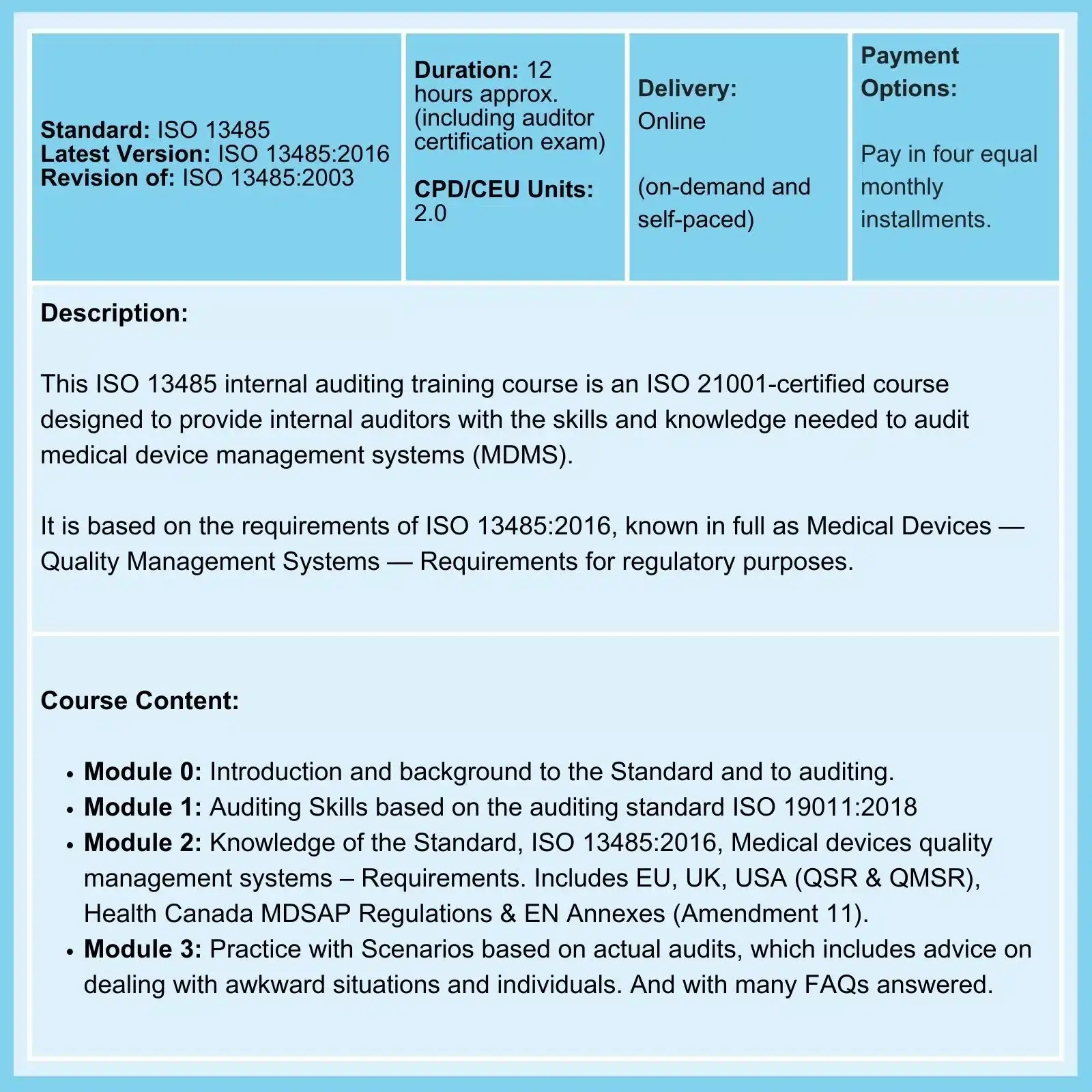
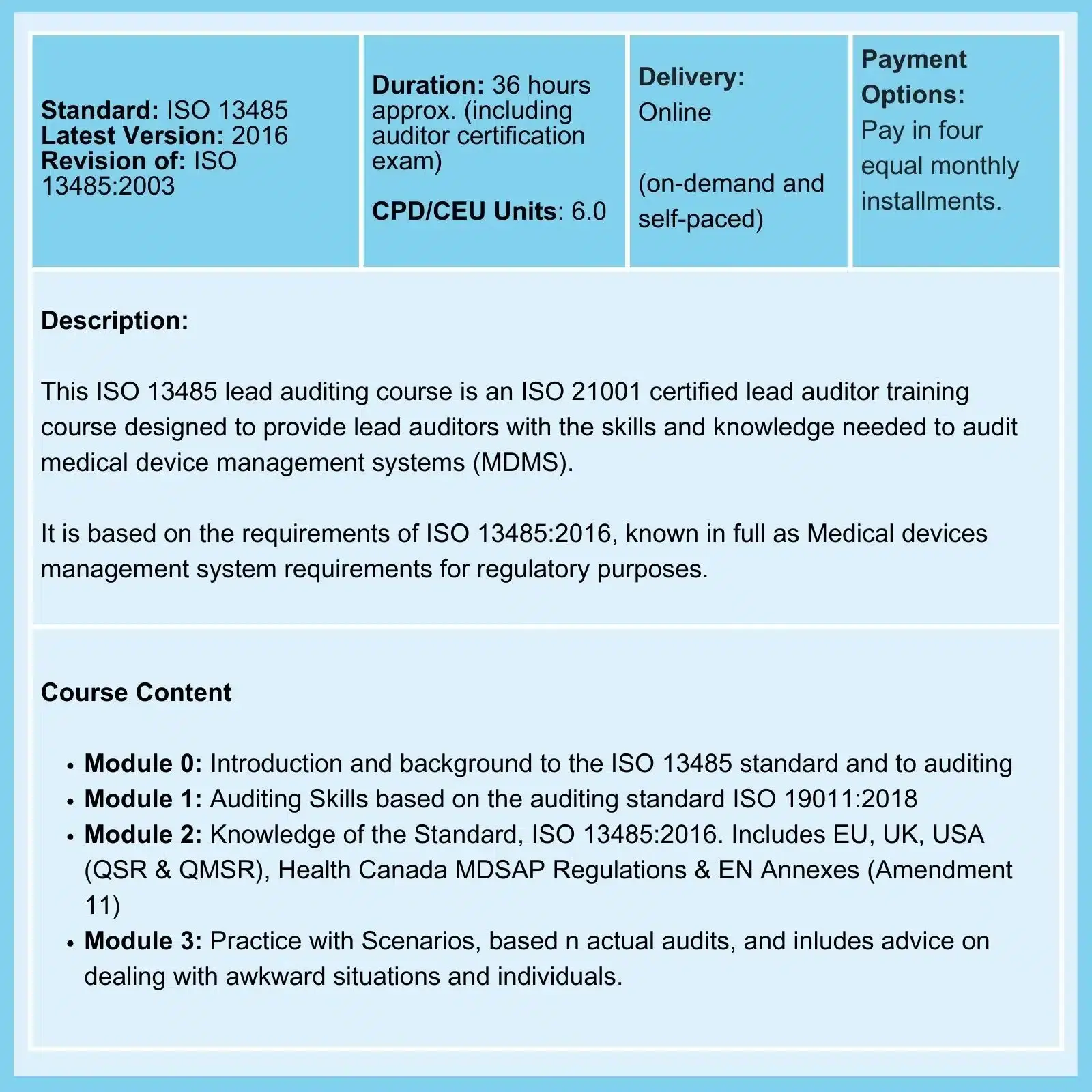
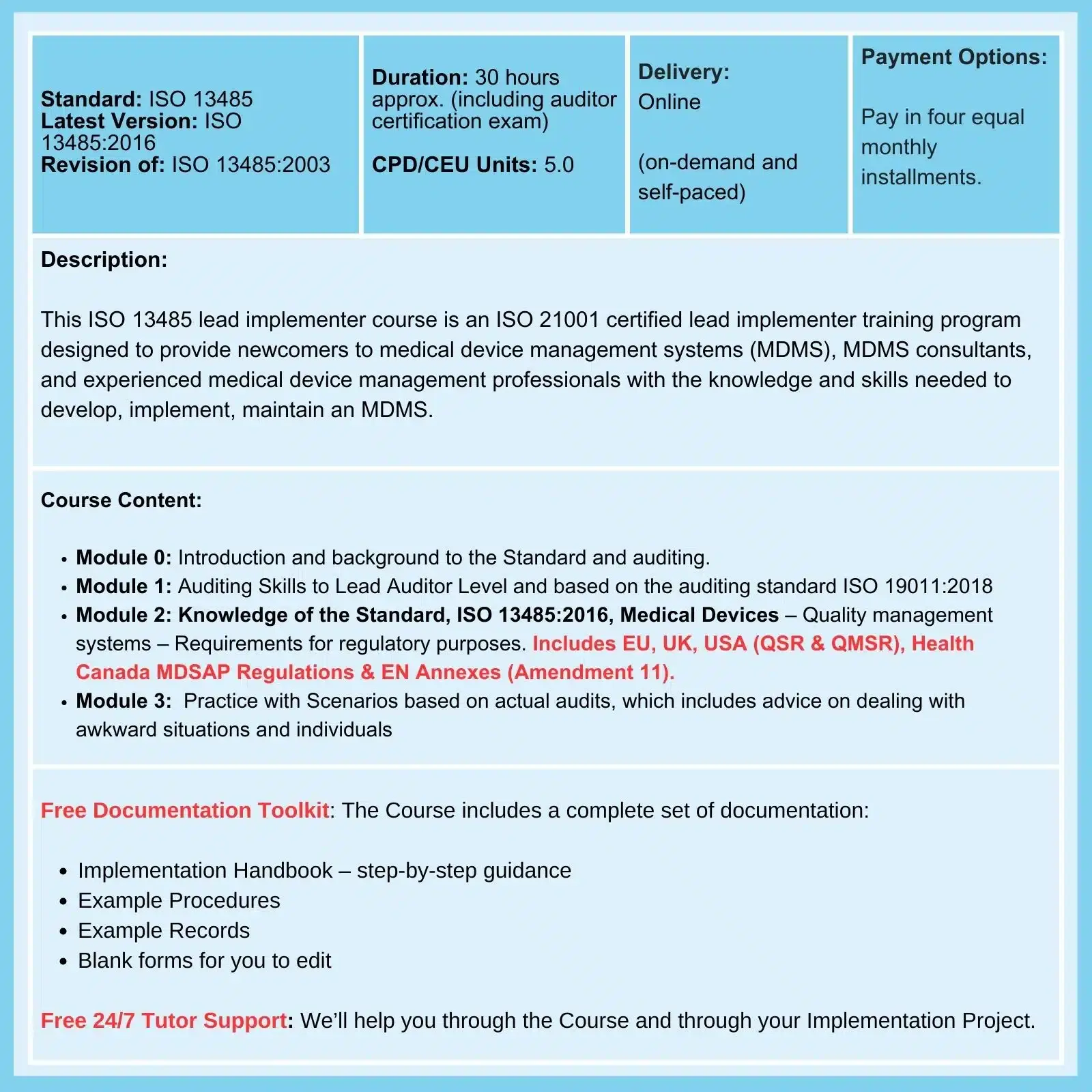
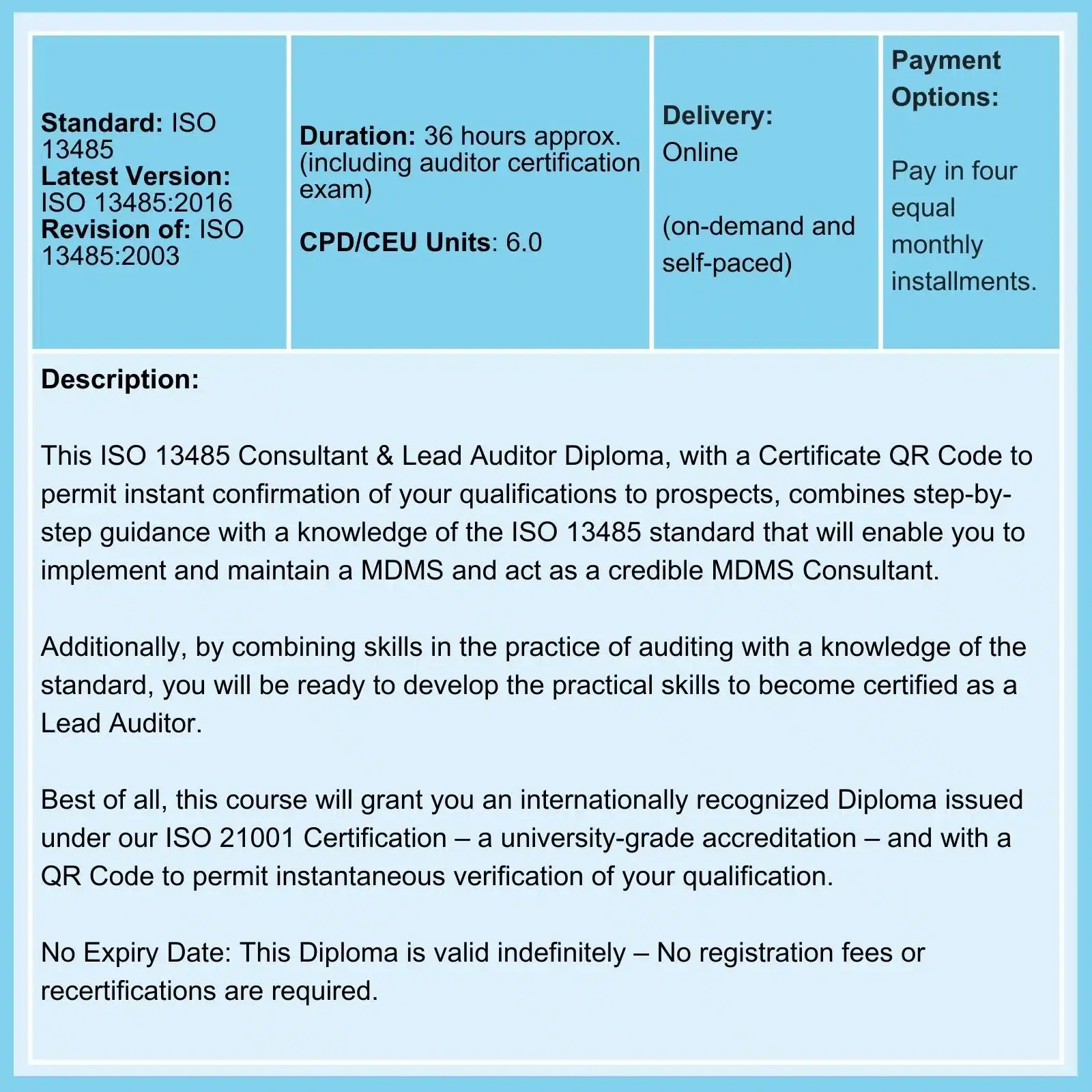
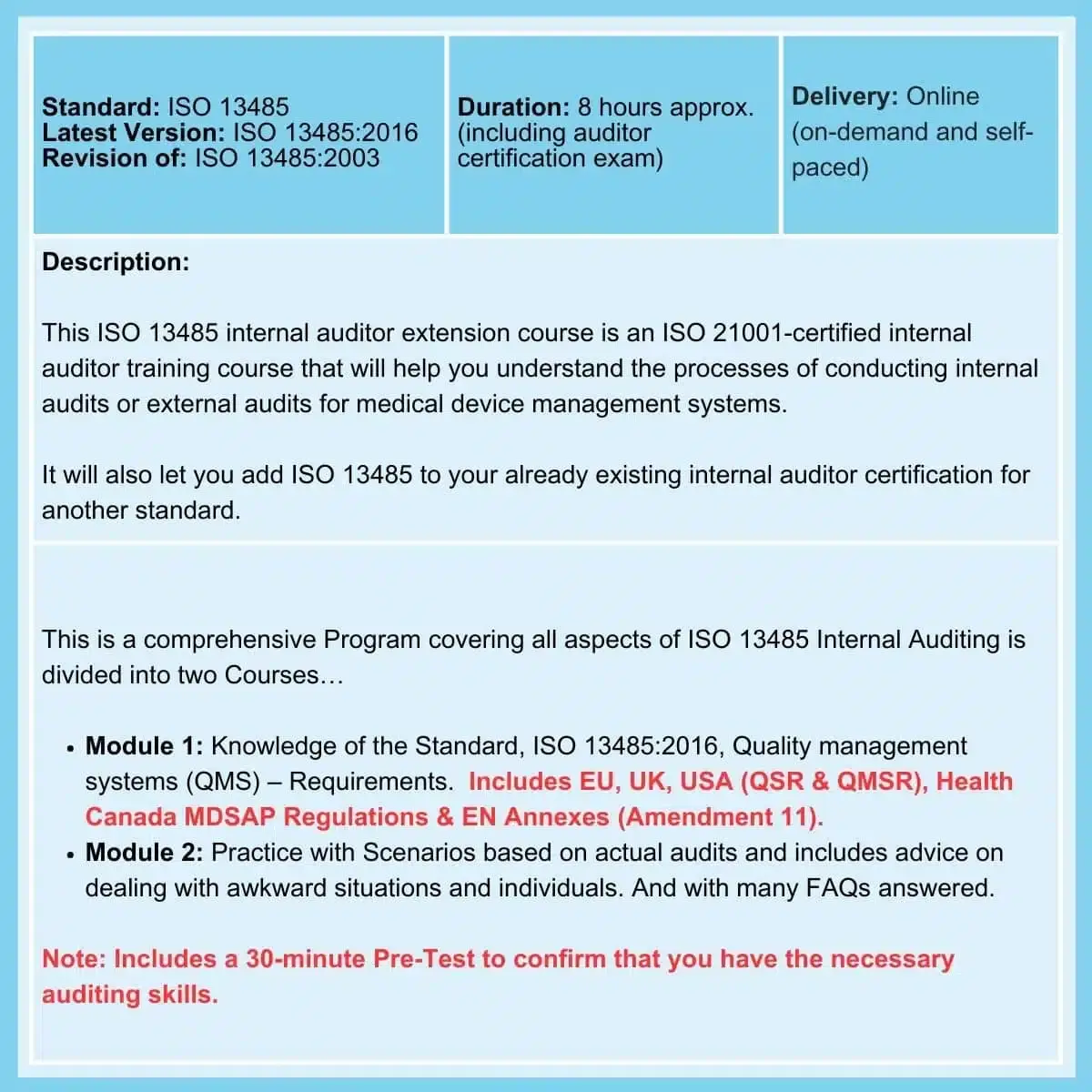
For those looking to further strengthen their knowledge and skills, there are internal auditing, lead auditing, lead implementation, consulting, and risk management courses that individuals or organizations can enroll in or have their staff enroll in.
Practical experience can then be gradually developed through direct involvement in audits, CAPA activities, process improvement initiatives, supplier management, validation activities, and other real-world QMS responsibilities.
Related Courses
deGRANDSON Global is an ISO Certified Educational Organization
 In October 2021, we secured certification for three education-related ISO Standards. We now have a university-grade management system in place conforming to the requirements of…
We have chosen ISO 21001 certification because it is based on an independent third-party assessment, unlike IRCA and Exemplar badges (which we believe are commercially compromised). It is a 'university grade' standard globally by schools, colleges, and universities to demonstrate competence.
We provide Courses on ISO 9001, ISO 13485, ISO 14001, ISO 17025, ISO 27001, ISO 45001, Data Protection, Risk Management, and more.